Responsibility for an EICR on commercial property usually falls to the person or organisation in control of the electrical installation. In many cases this is the landlord, but tenants may also have responsibilities depending on the terms of the lease. The key point is simple. Someone must ensure the electrical system is safe and properly maintained.
Commercial buildings rely heavily on electricity every day. Lighting, heating, IT systems, machinery, and security systems all depend on safe electrical infrastructure. Without regular inspections, faults can go unnoticed and develop into serious safety risks.
Quick answer: Who is responsible for a commercial EICR?
For most commercial properties, the landlord is responsible for arranging EICR testing for the fixed electrical installation.
However, tenants may become responsible for certain electrical systems if the lease agreement transfers maintenance obligations to them. This is common in long term or full repairing leases.
The only reliable way to confirm responsibility is to check the lease agreement carefully.
What is an EICR?
An Electrical Installation Condition Report, often shortened to EICR, is a detailed inspection of a property’s fixed electrical systems.
The report identifies:
- electrical faults
- wear and deterioration
- potential fire risks
- non compliance with current regulations
The purpose of EICR testing is to confirm the installation is safe for continued use.
What does an EICR check?
The inspection covers key parts of the electrical system, including:
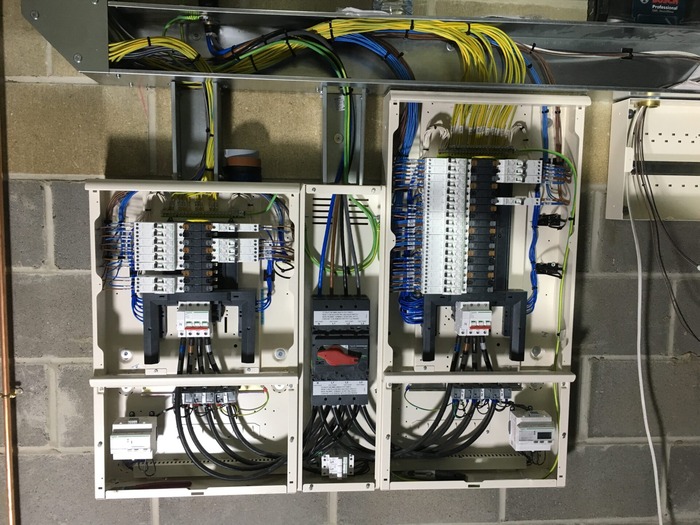
consumer units and distribution boards
wiring and circuits
earthing and bonding
lighting systems
sockets and fixed electrical equipment
Once complete, the electrician provides a report outlining any observations and recommended remedial work.
Why EICR testing matters
Electrical faults are one of the leading causes of commercial fires in the UK. Regular inspections help identify problems early before they become expensive or dangerous.
Who is responsible for EICR testing in commercial property?
Commercial landlords
In many commercial buildings, the landlord remains responsible for the fixed electrical installation. This applies particularly to common areas, shared services, and shorter tenancy agreements.
Landlords have a duty of care to ensure the building is safe for occupants and visitors.
Business tenants
Some commercial leases transfer responsibility to tenants. This may include maintaining electrical systems inside the leased area and arranging EICR testing during the tenancy period.
Businesses should never assume the landlord handles everything automatically. The lease terms matter.
Shared responsibility in leased buildings
Larger buildings often involve shared responsibilities. For example, a landlord may maintain communal systems while individual tenants manage electrical installations inside their own units.
This is why clear communication and proper documentation are important.
How often should commercial properties have an EICR?
The recommended inspection interval depends on the type of property and how it is used.
Typical guidance includes:
- every 5 years for most commercial properties
- more frequent inspections for industrial sites or high risk environments
- additional inspections after major electrical work or property alterations
A qualified electrician can advise on the correct testing schedule for your premises.
What happens if you do not carry out EICR testing?
Ignoring electrical inspections creates several risks.
Safety risks
Faults can lead to electric shocks, equipment damage, or fires.
Insurance issues
Some insurers may refuse claims if inspections are overdue or missing.
Legal and compliance problems
Businesses have responsibilities under the Electricity at Work Regulations 1989 to maintain electrical systems safely.
Regular EICR testing helps demonstrate compliance and reduces liability risks.
Choosing a qualified electrician for EICR testing
Commercial electrical systems are more complex than domestic installations. Testing should always be carried out by an experienced contractor who understands commercial environments and current regulations.
At SB Electrical Solutions Ltd, we provide professional EICR testing and commercial electrical services across Essex. Our team delivers clear reporting, practical advice, and efficient testing with minimal disruption to your business.
We work with landlords, business owners, and facilities managers to keep commercial properties safe and compliant.
FAQs
Is an EICR a legal requirement for commercial property?
While there is no fixed legal interval written into law for all commercial properties, businesses must ensure electrical systems are maintained safely under the Electricity at Work Regulations. EICR testing is the recognised way to demonstrate this.
Can a business tenant arrange an EICR?
Yes. If the lease places responsibility on the tenant, they may need to arrange and pay for the inspection themselves.
How long does commercial EICR testing take?
The timescale depends on the size and complexity of the building. Smaller commercial units may take a few hours, while larger properties can take several days.
Book your commercial EICR
Electrical safety is not something to leave until there is a problem. Regular inspections help protect your property, staff, and business operations.
If you need advice on EICR testing or want to arrange an inspection for your commercial property, contact SB Electrical Solutions today. Our experienced team provides reliable commercial electrical services across Essex and surrounding areas.