
EV charging time is one of the first questions people ask when considering an electric vehicle. The short answer is that most EVs take between 6 and 12 hours to fully charge at home with a standard wall charger, while rapid public chargers can reach 80 percent charge in around 30 to 45 minutes. The exact time depends on the size of the battery and the power of the charger being used.
For many drivers the reality is simple. Plug the car in during the evening and it will be fully charged by morning. Once people get used to home charging, it often feels easier than visiting a petrol station.
What affects EV charging time?
Several factors influence ev charging time. Understanding them helps you choose the right charging setup for your home.
Battery size
Electric vehicles have different battery capacities, measured in kilowatt hours. Larger batteries store more energy but take longer to charge. For example, a 40kWh battery will charge faster than a 75kWh battery.
Charger power output
The power of the charger makes a big difference. A basic domestic plug delivers around 2.3kW, while a home wall charger usually provides 7kW. Faster chargers push more electricity into the battery, reducing charging time.
Vehicle charging limits
Every car has a maximum charging rate. Even if the charger is capable of delivering more power, the vehicle will only accept what it is designed for.
Typical EV charging times explained
Standard 3 pin plug charging
Using a normal household socket is the slowest option. Charging can take 20 hours or more depending on the battery size. This method is mainly used as a backup rather than a daily charging solution.
Home wall charger charging time
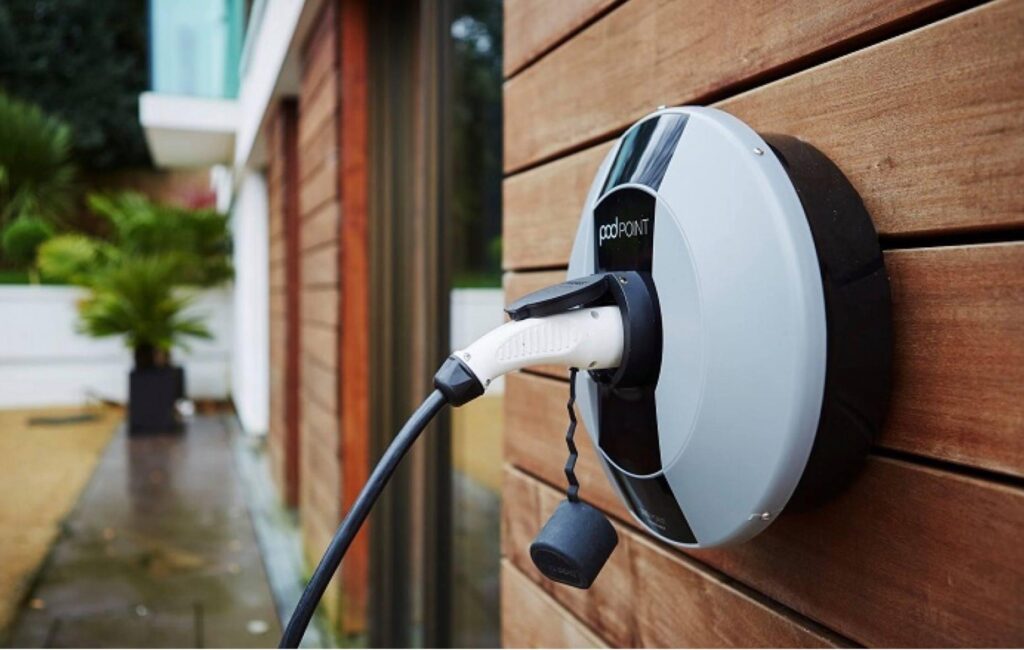
A dedicated home charger is far more practical. A 7kW charger usually takes around 6 to 10 hours to fully charge most vehicles. This is why many drivers choose professional ev charger installation at home.
According to the Department for Transport, 93% of people in a 2022 survey had access to home charging and 90% of them charged overnight.
Rapid and ultra rapid public charging
Public rapid chargers range from 50kW to over 150kW. These can charge many EVs to around 80 percent in roughly 30 to 45 minutes. They are ideal for motorway journeys but are not usually needed for everyday charging.
Average EV charging time in real life
Charging overnight at home
For many households the average ev charging time fits easily into normal routines. Plug the car in at around 10pm and it will usually reach full charge before morning.
Charging at work
Workplace chargers are increasingly common. A few hours connected to a charger during the working day can add significant range.
Charging on long journeys
Public rapid chargers are designed for quick top ups during longer trips. Drivers often charge to around 80 percent rather than waiting for a full charge.
Best times to charge EV at home
Many electricity providers now offer cheaper night time tariffs designed for electric vehicles. Charging overnight can reduce running costs significantly.
Off peak tariffs
Electricity demand is lower overnight, so suppliers often offer reduced rates during these hours.
Smart chargers
Modern chargers can schedule charging automatically. This ensures your car charges when electricity is cheapest without needing manual input.
Why installing a home EV charger makes a difference
Charging from a standard socket works, but it is slow and less convenient. A dedicated home charger improves speed, safety, and reliability.
Professional ev charger installation provides several advantages:
- Faster charging
- Built in safety protections
- Smart charging controls
Compatibility with future energy systems such as solar panels
If you are planning to drive electric long term, installing a proper charger quickly becomes one of the most useful upgrades for your home.
At SB Electrical Solutions Ltd we install EV charging points for homeowners and businesses across Essex. Our team helps you choose the right charger, install it safely, and make sure everything works smoothly from day one.
FAQs
How long does it take to charge an EV at home?
Most electric cars take between 6 and 10 hours to charge with a 7kW home charger.
Can you charge an electric car overnight?
Yes. Overnight charging is the most common approach for EV owners and works well with cheaper off peak tariffs.
Does fast charging damage the battery?
Occasional rapid charging is safe. Manufacturers design batteries to handle it, although regular home charging is often recommended for everyday use.
Final thoughts
EV charging is simpler than many people expect. For most drivers the routine is straightforward.
Plug the car in during the evening and it is ready for the next day.
If you are considering a home charging point, working with a trusted electrician in Essex ensures the system is installed safely and designed for your property.
SB Electrical Solutions provides professional ev charger installation across Essex and surrounding areas. If you would like advice or a quote, visit our contact page and speak to our team. We are always happy to help you take the next step towards electric driving.