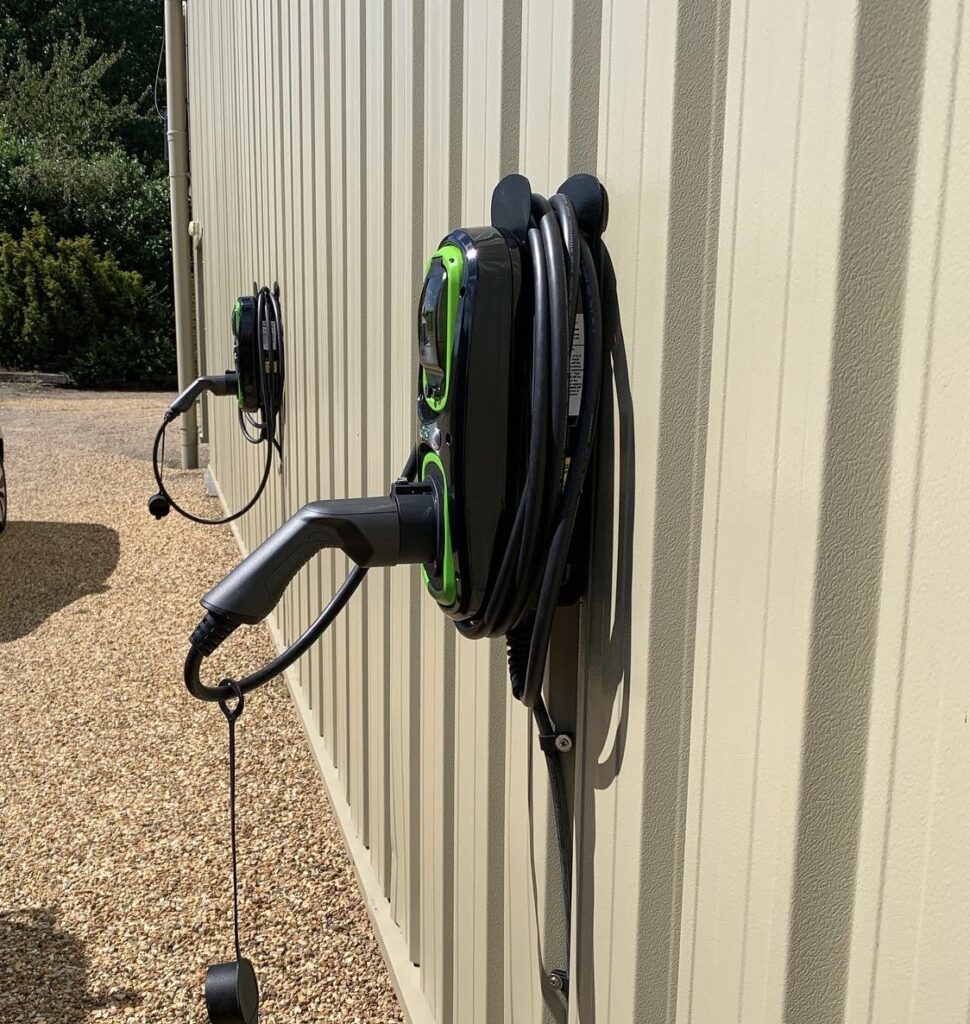
Installing electric vehicle (EV) chargers at your workplace can support staff, welcome visitors and help keep company vehicles ready for use. Before choosing a charger, though, it is important to understand what your business needs and what your site can support.
Whether you run an office in Chelmsford, a warehouse in Colchester or a business in Maldon, the starting point is the same: a clear plan and a professional site assessment.
Here are the main steps to consider.
Start with who will use your chargers
Think about the vehicles using your premises and how long they stay parked. Staff cars parked throughout the working day have different charging needs from delivery vans that make short stops between journeys.
Before speaking to an installer, consider:
- Will chargers be used by employees, visitors or company vehicles?
- How many vehicles need charging now?
- How long are they usually parked?
- How much charge will they need before leaving?
- Are you planning to add more electric vehicles?
You do not need to have every answer straight away. Even a rough picture will help your electrician recommend a suitable starting point.
Check your building’s electrical capacity
EV charging adds to your building’s electricity demand. Your installer will need to assess whether the existing supply can support it alongside lighting, heating, machinery and other equipment.
A site survey should look at the supply, existing electrical equipment and proposed charger locations. It should also identify suitable cable routes and any work needed before installation.
Your installer can explain whether the project needs input from the local distribution network operator, or DNO. This is the company that manages the local electricity network. For sites installing several chargers, early discussions can help establish connection needs and avoid surprises.
Working with an experienced [Commercial electrician in Essex] gives you a clearer view of the work involved before you commit to equipment.
Choose charging speeds that suit your business
The most powerful charger is not always the most suitable choice.
For vehicles parked at work for several hours, slower charging may meet their daily needs. Vehicles with short turnaround times may need a faster option.
The vehicle itself also affects charging speed. A higher-rated charger will not make a vehicle charge beyond the limit it can accept. Your installer should match the equipment to the vehicles, parking time and available supply.
For example, an office where staff park all day will need a different approach from a depot where vans return briefly between shifts.
Ask about load management
If you plan to install several charging points, ask how their electricity demand will be controlled.
Load management shares the available power between chargers. Some systems can also adjust charging to account for electricity being used elsewhere in the building.
This is a key planning theme in the supplied EV charging report, particularly for workplaces with multiple charging points.
Ask your installer what this would mean in practice. For example, how would charging speeds change when several vehicles plug in at once? Would each vehicle still receive enough charge before it needs to leave?
Plan the parking spaces and access
Charger locations should work for drivers and for the day-to-day running of your site.
Consider how vehicles enter, park and leave. The layout should allow people to reach and use the equipment safely, with charging cables kept clear of pedestrian routes.
Your installer should also discuss:
- Space around the charging bays.
- Lighting and clear signs.
- Protection from vehicle damage.
- Access for maintenance.
- Any groundworks needed for cables.
- The connection needed for online charging features.
If you rent your premises or share a car park, speak to the landlord or site manager early about the proposed work.
Look at the full cost
The charger itself is only one part of the project. A useful quotation should make the wider costs clear.
Depending on the site, these may include electrical upgrades, cabling, groundworks, bay markings, testing and setup. Ask whether software subscriptions, maintenance or other ongoing charges apply.
Also decide how you want to manage use. Will charging be restricted to staff and company vehicles? Do you need records of who has charged and how much electricity they have used?
Discussing these points early helps you choose equipment with the right features.
Allow for future growth
You may only need a small number of chargers today. However, it is worth discussing how the system could grow.
Ask whether cable routes, space and electrical equipment can be planned with later additions in mind. A phased approach may let you start with your current needs while preparing for more vehicles.
Before work begins, agree how installation will affect parking, site access and any planned power interruptions. At handover, ask for the relevant electrical certificates, operating instructions and a clear explanation of maintenance and support arrangements.
Speak to an experienced Essex electrician
SB Electrical Solutions Ltd is a NAPIT-approved electrical company based in Maldon, serving domestic, commercial and industrial customers across Essex.
Our experienced electricians have worked across the county for over 10 years, building a reputation for high-quality, reliable workmanship.
If you are considering [EV charger installation in Essex], contact our team to discuss your premises, your vehicles and the next steps. We can help you understand what your project involves and plan an installation suited to your business.
Frequently Asked Questions
How many EV chargers should my business install?
Start with the number of vehicles that need charging and how long they remain on site. You may not need a charging point for every electric vehicle if drivers can share them at different times. Your installer can help assess demand and future growth.
Will we need to upgrade our electricity supply?
Not necessarily. This depends on your existing capacity, other electrical loads and the charging system you choose. A site assessment is needed before an installer can confirm the right approach.
How long does commercial EV charger installation take?
The timescale depends on the number of chargers, cable routes, groundworks and any supply changes. Ask for a programme that separates on-site installation from any earlier approvals or connection work.
Can we install chargers while the business stays open?
This may be possible with careful planning. Some work could require restricted parking, temporary changes to access or a planned power interruption. Discuss these requirements before agreeing an installation date.
Do workplace EV chargers need ongoing maintenance?
Plan for ongoing care when choosing your system. Ask about inspection needs, manufacturer guidance, software updates and how faults will be handled. Clear support arrangements help you know who to contact if a charger stops working.