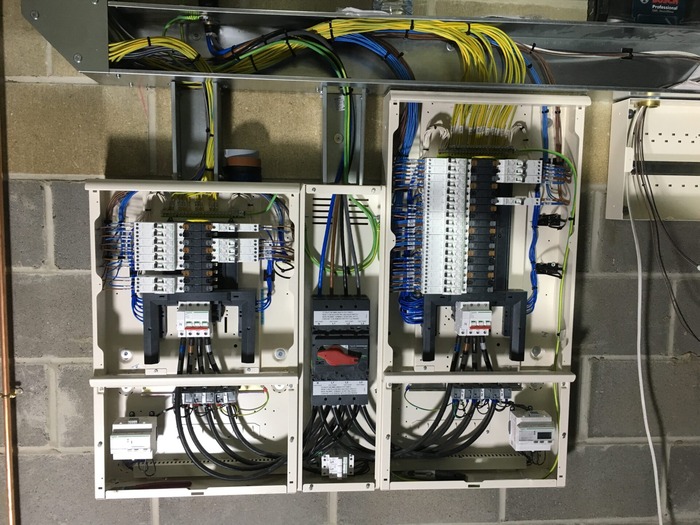
Regular electrical maintenance is essential for public buildings because it helps prevent faults, improves safety, supports legal compliance, and reduces the risk of costly disruptions. Schools, libraries, council offices, healthcare facilities, and community centres all depend on reliable electrical systems every day. Without routine maintenance, small issues can develop into serious problems that affect staff, visitors, and public services.
Electrical systems are often out of sight, which makes it easy to overlook them. However, waiting until something fails is rarely the most cost effective approach. Planned maintenance helps identify potential problems before they become expensive repairs or safety hazards.
Quick answer: Why is electrical maintenance important in public buildings?
Electrical maintenance helps keep public buildings safe, operational, and compliant with current regulations. It reduces the likelihood of electrical faults, minimises disruption, and extends the lifespan of important systems.
For organisations responsible for public spaces, regular maintenance is not just good practice. It is an important part of managing risk.
What counts as a public building?
Public buildings cover a wide range of facilities, including:
- Schools and colleges
- Council offices
- Libraries
- Leisure centres
- Healthcare facilities
- Community centres
- Emergency service buildings
These properties often experience high footfall and rely on electrical systems throughout the day. Lighting, heating, security systems, fire alarms, IT equipment, and accessibility features all depend on a reliable electrical infrastructure.
The risks of neglecting electrical maintenance
Safety risks
Electrical faults can lead to shocks, equipment damage, or fires. Routine inspections and maintenance help identify worn wiring, overloaded circuits, and damaged equipment before they create a risk.
Unexpected downtime
When electrical systems fail, public services can be disrupted. A fault affecting lighting, power supplies, or fire alarm systems may force areas of a building to close temporarily.
For schools, healthcare facilities, and local authorities, downtime can affect hundreds of people in a single day.
Compliance concerns
Organisations responsible for public buildings must comply with various health and safety regulations. The Electricity at Work Regulations 1989 require electrical systems to be maintained in a condition that prevents danger.
Regular maintenance provides documented evidence that systems are being managed responsibly.
How regular maintenance improves building performance
Better reliability
Regular inspections help identify issues early. This reduces unexpected failures and keeps essential services running smoothly.
Improved energy efficiency
Electrical maintenance often highlights opportunities to improve efficiency. Outdated fittings, damaged components, and ageing systems can consume more electricity than necessary.
Many public buildings choose to combine maintenance programmes with upgraded lighting installations to reduce energy costs and improve performance.
Longer equipment lifespan
Electrical infrastructure represents a significant investment. Preventative maintenance helps extend the lifespan of switchgear, distribution boards, lighting systems, and other critical equipment.
Replacing components when necessary is far more affordable than dealing with widespread failures.
Common electrical systems that require maintenance
Public buildings rely on a variety of electrical systems, including:
- Emergency lighting
- Fire alarm systems
- Distribution boards
- Power circuits
- External lighting
- Security systems
- Accessibility equipment
- General lighting installations
Each system requires regular inspection and testing to ensure it remains safe and operational.
Choosing the right public sector electrician
Public buildings often have unique requirements. Work must be planned carefully to minimise disruption while maintaining compliance with relevant standards.
At SB Electrical Solutions Ltd, we provide specialist services as a public sector electrician across Essex. Our team works with schools, local authorities, healthcare facilities, and community organisations to deliver planned maintenance, inspections, testing, and electrical upgrades.
As an experienced electrician in Essex, we understand the importance of reliability, communication, and compliance when working in public environments.
FAQs
How often should public buildings have electrical inspections?
Inspection intervals vary depending on the type of building and how it is used. Many public buildings undergo periodic inspections every three to five years, although some environments require more frequent testing.
Is electrical maintenance a legal requirement?
The law requires electrical systems to be maintained safely. Regular maintenance is one of the most effective ways to meet these obligations and demonstrate compliance.
What types of public buildings need regular maintenance?
Any building used by the public should have a maintenance programme in place, including schools, council buildings, healthcare facilities, leisure centres, and community spaces.
Speak to SB Electrical Solutions
Electrical maintenance protects people, supports compliance, and helps public buildings operate without disruption. A proactive approach reduces risk and often saves money over the long term.
If you are responsible for a public building and need a trusted public sector electrician, contact SB Electrical Solutions today. Our team provides professional maintenance, testing, inspections, and lighting installations across Essex and the surrounding areas.